
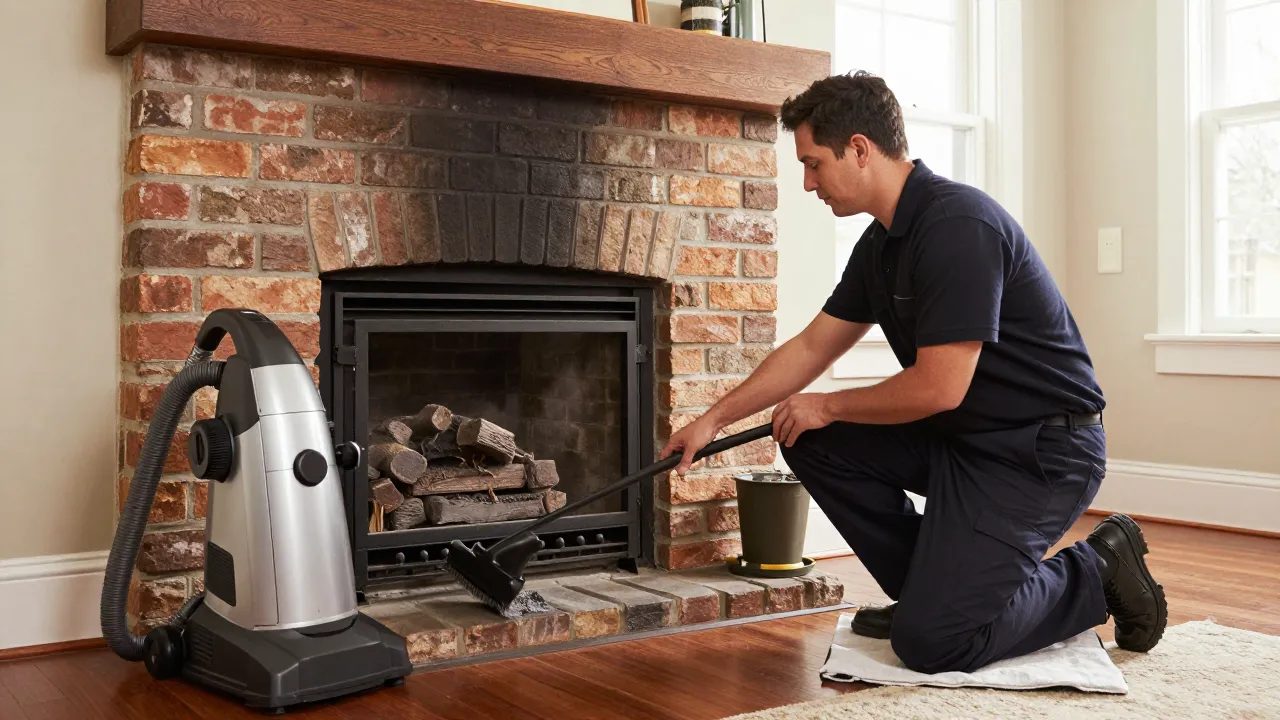
Signs Your Chimney Needs Cleaning
Campfire smell in July, smoke rolling back, black flakes in the firebox — the seven signs your flue is asking for a sweep before burn season.
Read the Article
It is the smallest part on the chimney and the one homeowners question most. A cap looks like a hat. What it actually is: the only thing standing between Maryland weather and the most expensive components of your chimney system.
Rain falls straight down an uncapped flue onto the damper and smoke shelf. It rusts the damper until it will not seal, spalls firebrick, and mixes with creosote into an acidic slurry that eats mortar joints from inside the flue. Add the animals — raccoons treat an open chimney as a den, and birds nest in flues every spring — and the open flue is not a neutral choice. It is an accumulating bill.
Compare the cap against what it prevents: a rusted-out damper replacement, liner damage from chronic water entry, an animal removal with a sanitized sweep after it, and masonry repairs from freeze-thaw on a soaked crown. The cap is the cheapest item on that list by a wide margin — and it prevents the rest from queueing up.
For most Maryland homes, 304-grade stainless is the right answer: it will not rust through the way galvanized caps do, and it carries a manufacturer warranty we register in your name. Copper earns its premium on historic and high-visibility homes. Homes with two or three flues can take individual caps or one multi-flue shroud — we measure and show you both.
A cap does not fix a failed crown, open mortar joints or flashing leaks — water entering through the masonry still enters. If we find those during the cap visit, we will show you the photos and sequence the work honestly. The cap protects the opening; the crown protects everything around it.
If your flue is open to the sky, yes — in Maryland's climate a properly fitted stainless cap is one of the highest-value dollars on the whole chimney. It is also, not coincidentally, one of the fastest jobs we do.
Talk to a specialist — photo-documented inspections and upfront written estimates across 115 Maryland and DC communities.
Campfire smell in July, smoke rolling back, black flakes in the firebox — the seven signs your flue is asking for a sweep before burn season.
Read the Article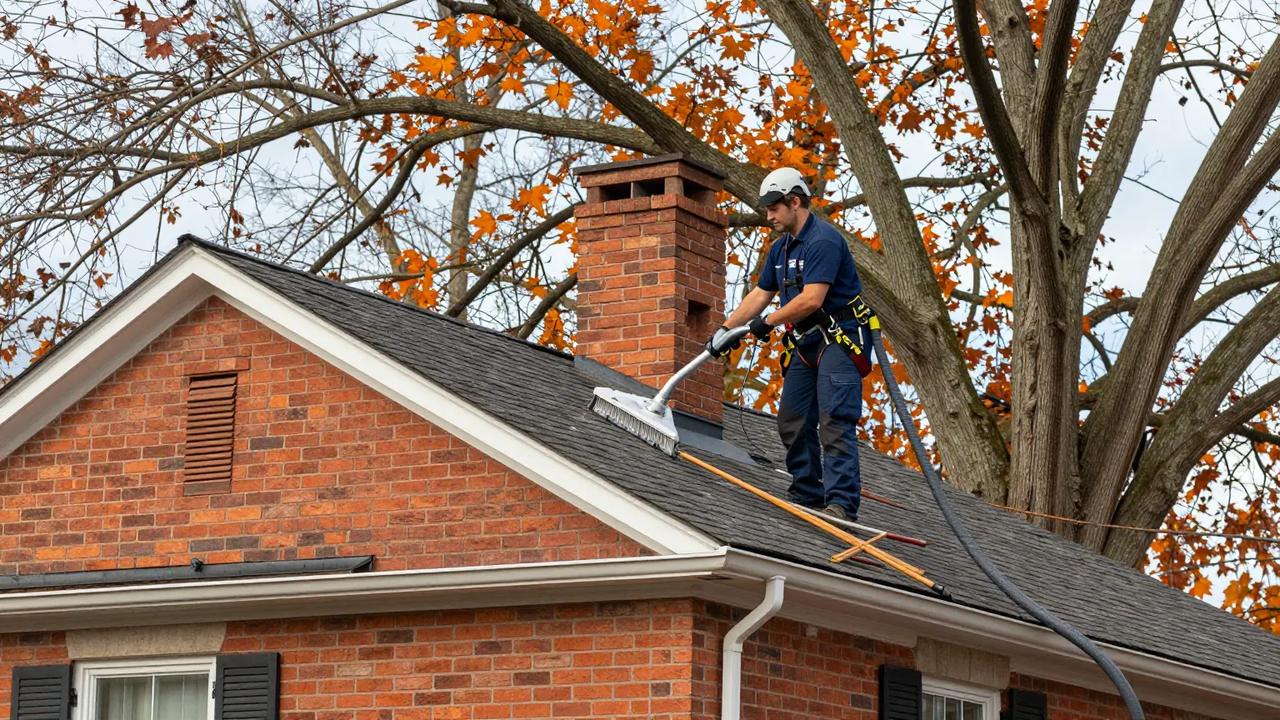
What actually drives the price of a chimney sweep in Maryland — flue count, creosote stage, access — and how to read any quote you are given.
Read the Article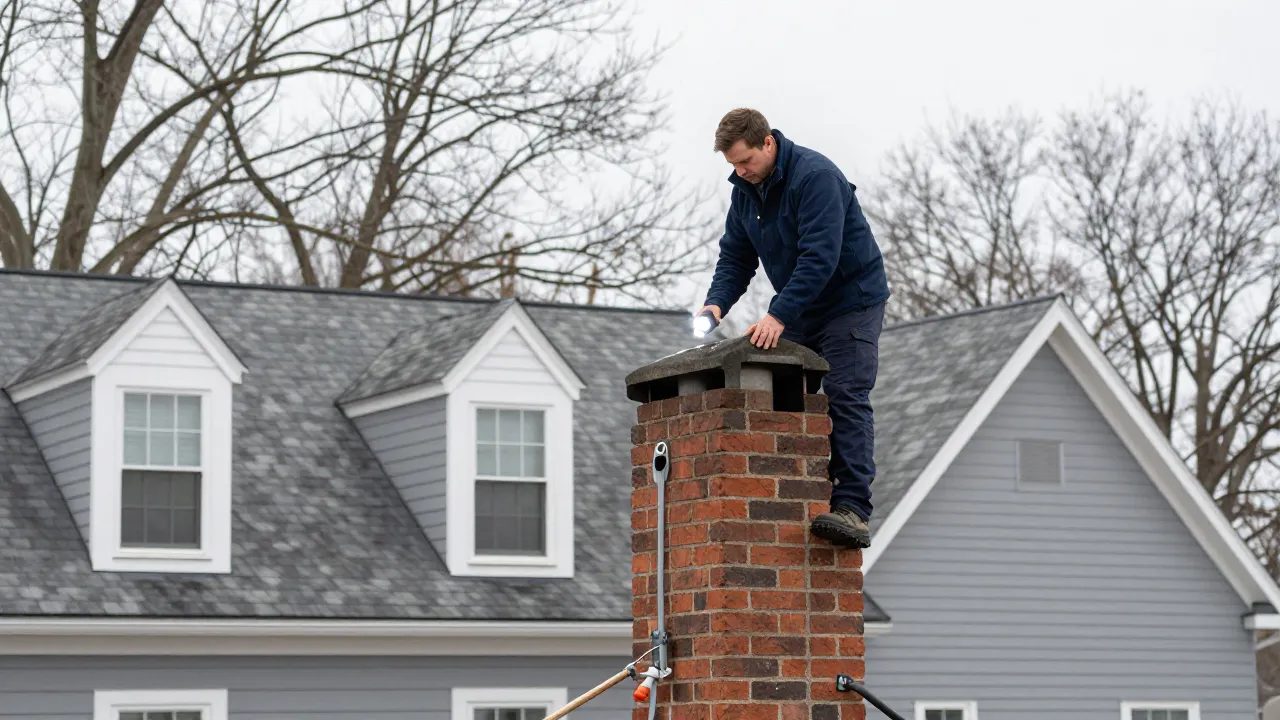
Burn dry wood, keep the flue clean, know the sound of a chimney fire. The winter checklist our sweeps give their own families.
Read the Article