
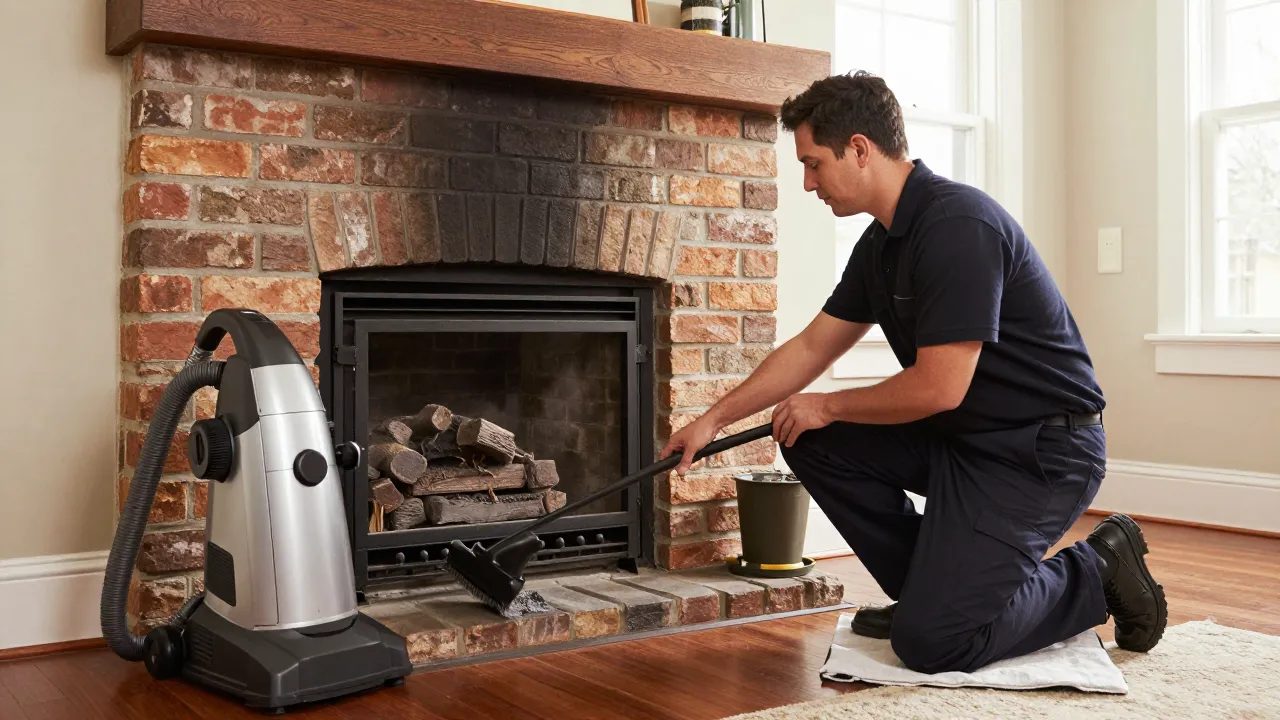
Signs Your Chimney Needs Cleaning
Campfire smell in July, smoke rolling back, black flakes in the firebox — the seven signs your flue is asking for a sweep before burn season.
Read the Article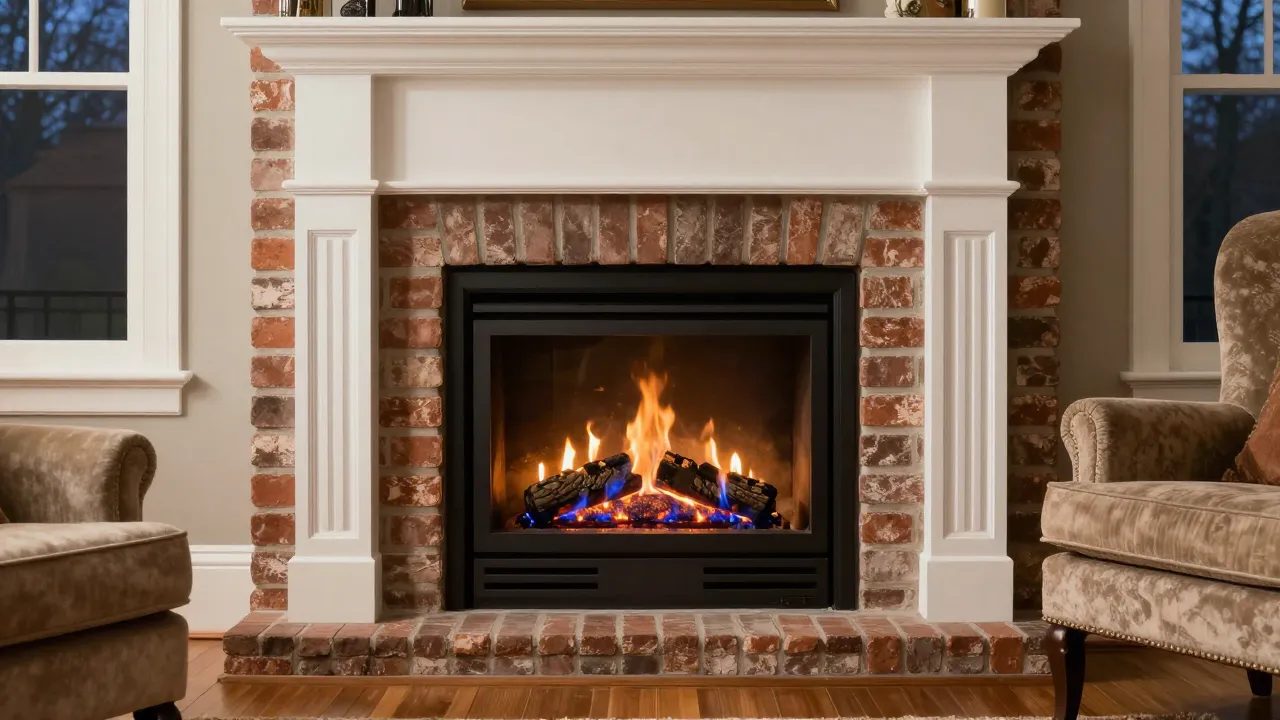
The fireplace stays; the firewood goes. Gas conversions are the most requested upgrade we see in Maryland homes — but the right conversion depends on the fireplace you have and the heat you want. Here is how the decision actually breaks down.
Every conversion starts with a Level 2 camera inspection. A sound masonry fireplace can host either an insert or a log set. A failed flue rules out a log set (which vents up the existing flue) but often still allows an insert, because the insert brings its own liner system with it. Prefab fireplaces convert too, within their listings.
An insert is a sealed firebox installed into your existing fireplace, with twin liners run up the old flue — one for intake, one for exhaust. The result is a real heating appliance: thermostat or remote control, high efficiency, and a flame view that reads as a wood fire. For most Maryland homeowners who want heat, this is the conversion we recommend.
A log set places a burner and ceramic logs in the existing open fireplace and vents up the chimney, which must be sound — and the damper typically stays clamped open, which means the flue's heat loss stays too. What you get is instant, beautiful flame with modest heat. It is the right choice for occasional, atmosphere-first fires.
Vent-free units send their exhaust into the room. We do not install them: Maryland homes are tight, the moisture and combustion byproducts belong outside, and a vented system is the professional standard we will put our name on.
Inspection and sizing first. Then the appliance and its liner system are installed by our crew, with the gas line and connection handled by a licensed gas fitter we coordinate with. Finally we commission the unit — draft, safety controls, operation — and walk you through it. Most conversions complete in one to two working days once the appliance is on site.
Gas is lower-maintenance than wood, not no-maintenance: periodic appliance inspection, and the chimney cap and crown still weather like any stack. An annual look keeps the whole system — old masonry and new appliance — aging gracefully together.
Talk to a specialist — photo-documented inspections and upfront written estimates across 115 Maryland and DC communities.
Campfire smell in July, smoke rolling back, black flakes in the firebox — the seven signs your flue is asking for a sweep before burn season.
Read the Article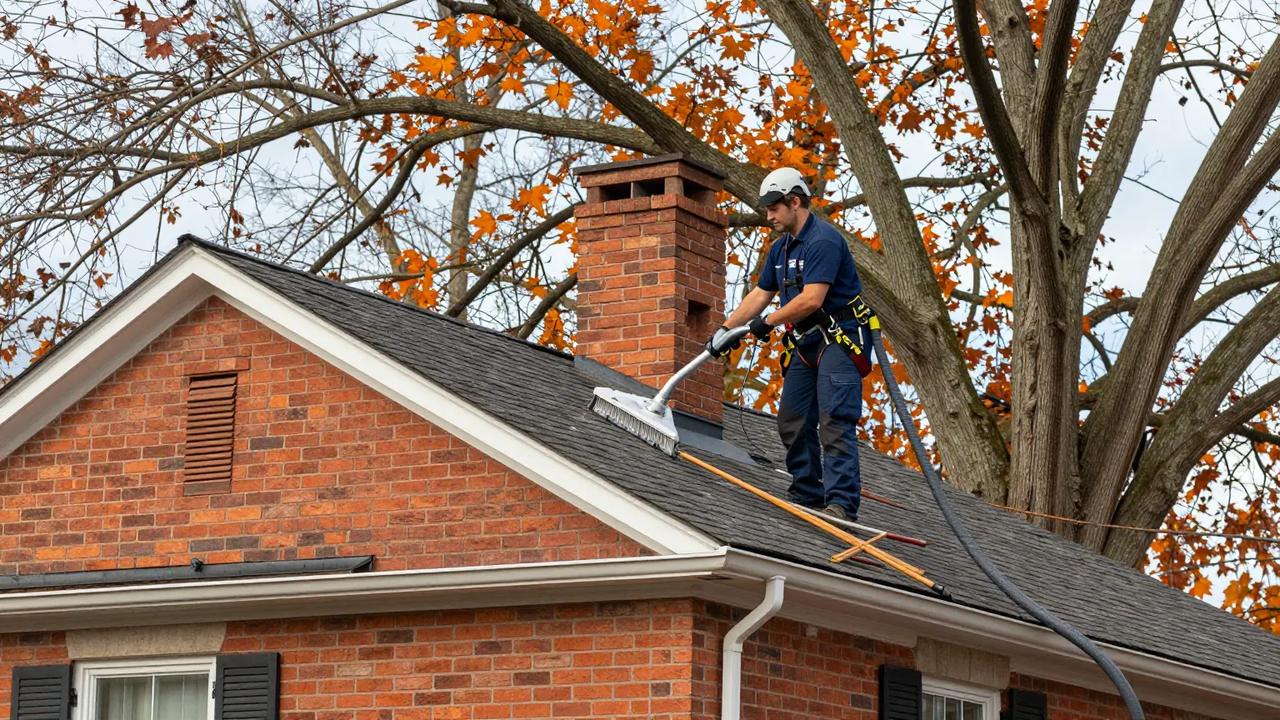
What actually drives the price of a chimney sweep in Maryland — flue count, creosote stage, access — and how to read any quote you are given.
Read the Article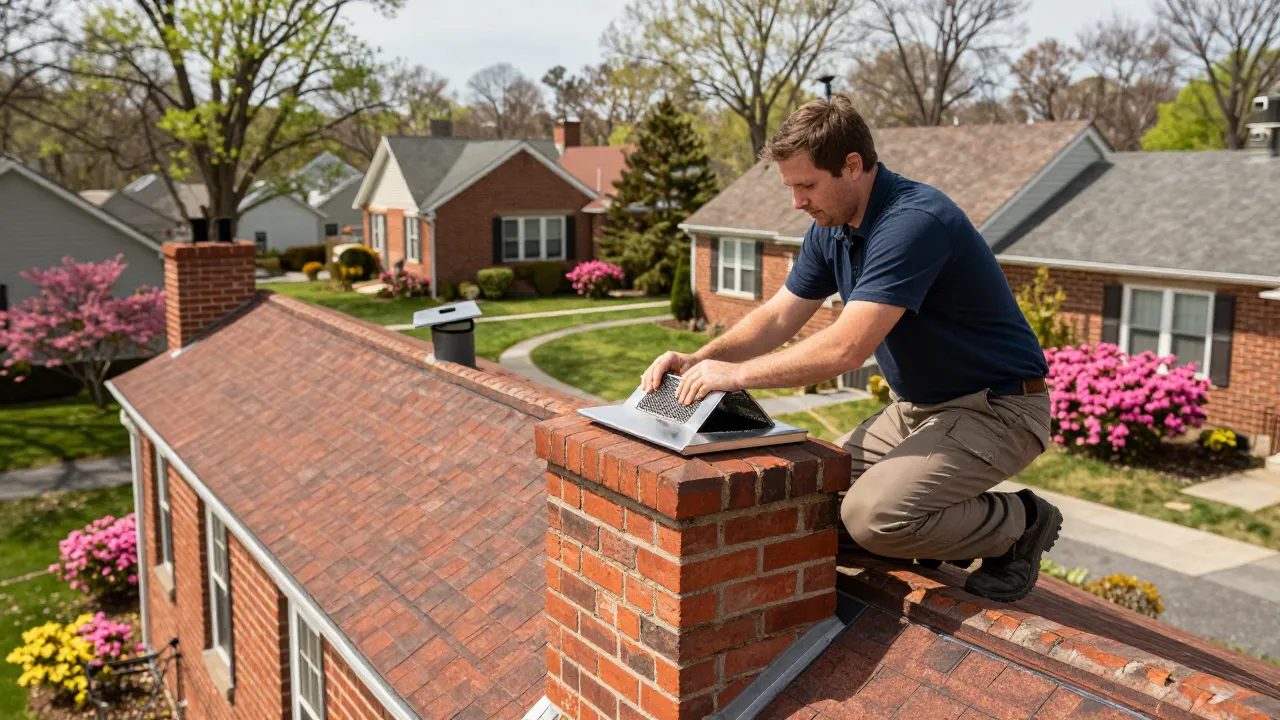
A cap costs a fraction of the repairs it prevents. The Maryland math on rain, raccoons and rusted dampers — and when a cap is not the answer.
Read the Article